Pledge lodged
Submitted in support of the School–Industry Collaboration priority, covering technical subject support.
2,030 AI Digital Labs in South African public high schools by 2030 — an independent programme delivered by 1ICT and its partners, in support of South Africa's national education priorities. Proven at Lab 001, Phefeni Senior Secondary, Soweto. One school at a time. Every pledge on record.
Programme at a glance
Lab 1
Delivered · Feb 2026
R 1,5M
Invested to date
Microsoft
technology partner
Ministers
Gwarube & Malatsi visited Lab 001
2,030
Schools · national target
9
Provinces · SME partner model
Inside the national framework
The DBE and World Economic Forum launched the South Africa Education Accelerator on 28 May 2026 — a three-year national platform co-chaired by the Minister of Basic Education and the Group Executive Director of Naspers and Prosus. 2030 by 2030 is an independent programme delivered by 1ICT and its partners, in support of South Africa's national education priorities and aligned to the Accelerator's School–Industry Collaboration priority.
Submitted in support of the School–Industry Collaboration priority, covering technical subject support.
Working from the DBE's publicly available school-level dataset — provinces, districts, quintiles and subject offerings.
Each AI Digital Lab is designed to deliver the practical support the DBE has called for from industry: practical activity review, equipment, teacher training, and quarterly industry demonstrations and visits.
Monthly progress reporting aligned to DBE reporting formats, school selection informed by provincial data, an independent programme auditor and POPIA-compliant data handling.
The demand signal
464
high schools offering Civil, Electrical or Mechanical Technology specialisations
426
DBE-identified focus schools nationally, across all streams — the cohort called out for school–industry support
26,400+
Grade 12 learners in the nine technical specialisations in a single year, before counting Grades 10–11
9
technical specialisations, every one software-dependent under CAPS
Source: DBE-published technical-schools dataset, July 2026.
Nine specialisations, one bottleneck
Digital Systems · Electronics · Power Systems
Digital logic, microcontroller programming and circuit simulation ARE the curriculum. Digital Systems and Electronics cannot be taught without computers.
Automotive · Welding & Metalwork · Fitting & Machining
Every Practical Assessment Task requires working drawings — done in CAD. Fitting & Machining introduces CNC concepts.
Construction · Woodworking · Civil Services
CAD drawings plus quantities, costing and material schedules for the PAT. The lab is where the paperwork of building gets built.
Plus: the Microsoft 365 Education cloud layer serves the theory component of every subject — research, assessment and digital content across the whole school. Each lab pairs this cloud stratum with an offline-resilient 1ICT LabServer, so load-shedding and connectivity gaps never stop a lesson.
The challenge
Access to quality digital education is the single most effective pathway from township to economy. Without infrastructure — connectivity, hardware, security, software, and ongoing support — devices alone fail within months. The 2030 by 2030 programme is built to last: delivered, maintained, and sustained by a certified national network of black-owned ICT partners.
CAT and digital subjects require functional labs. Infrastructure makes the curriculum real.
Digital fluency before matric is the difference between employment and exclusion in a digital economy.
Funders receive named recognition, verified impact reporting, and a school permanently in their portfolio.
Every lab is maintained by a local black-owned ICT business — creating jobs and building capacity in the community it serves.
“By 2030, every South African high school learner deserves a functioning digital lab — not as a privilege, but as a standard.”
The road to 2030
Lab 001 live at Phefeni. Top 100 first-wave selection guided by DBE-published demand data — KZN and Gauteng focus schools prioritised, township-first across the other seven provinces. First funded labs commissioned within 120 days of commitment.
Targeting every school offering Civil, Electrical or Mechanical Technology by year-end — the R872m Target Fund (R622m build + R250m sustaining).
Delivery engine at hundreds of labs per year; provincial SME partners active in all nine provinces.
One in three public high schools nationally running an AI Digital Lab.
Proof of delivery · Lab 001
Soweto, Gauteng — Delivered February 2026
Before the intervention
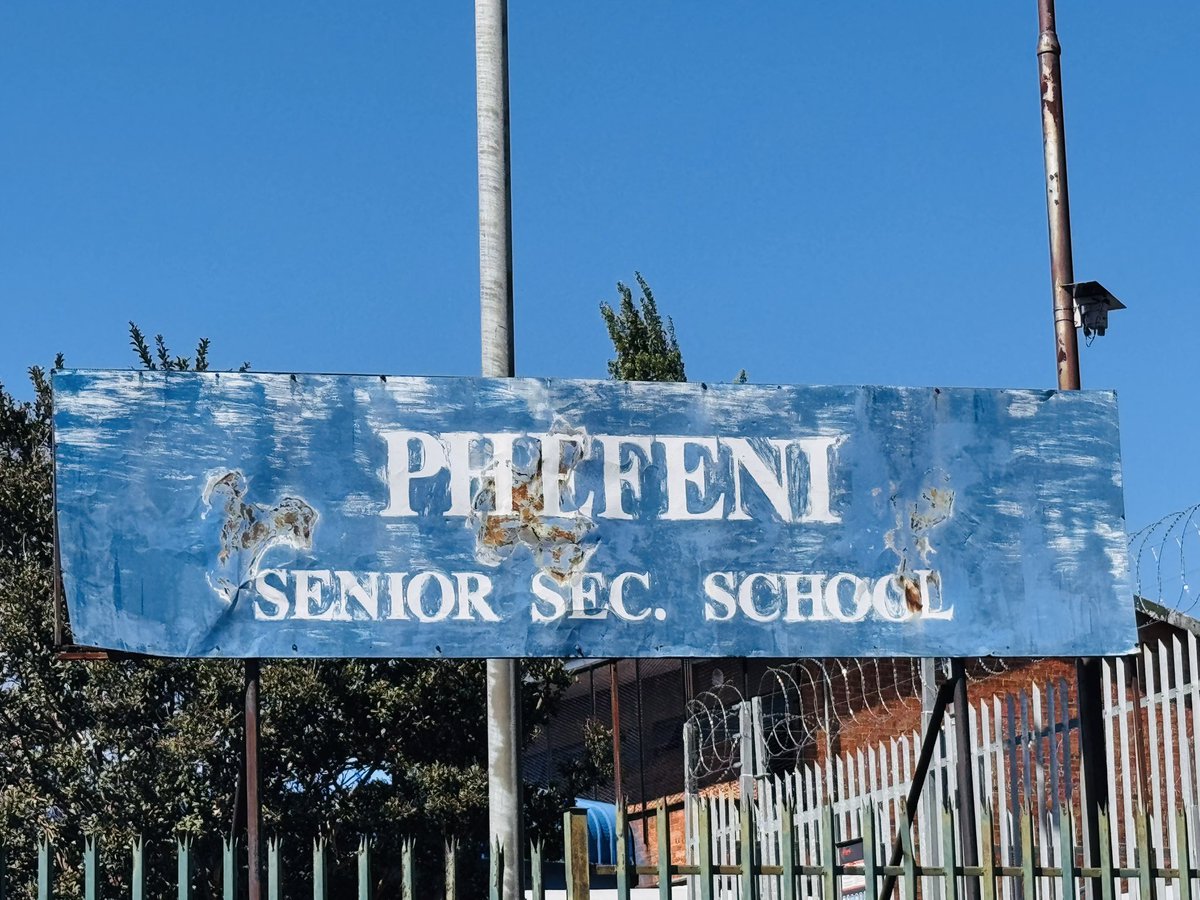
Phefeni Senior Secondary had the will but not the infrastructure. No functioning computer lab. No reliable connectivity. No pathway for learners to access the CAT curriculum their syllabus required. This is the school we chose as Lab 001 — not because it was easy, but because it was real.
What was delivered
Full lab refurbishment
Track A renovation
Fibre connectivity
Always-on, managed
Physical security
Access control + CCTV
Microsoft 365 Education
Full deployment
Managed support SLA
Ongoing helpdesk + on-site
The handover — February 2026
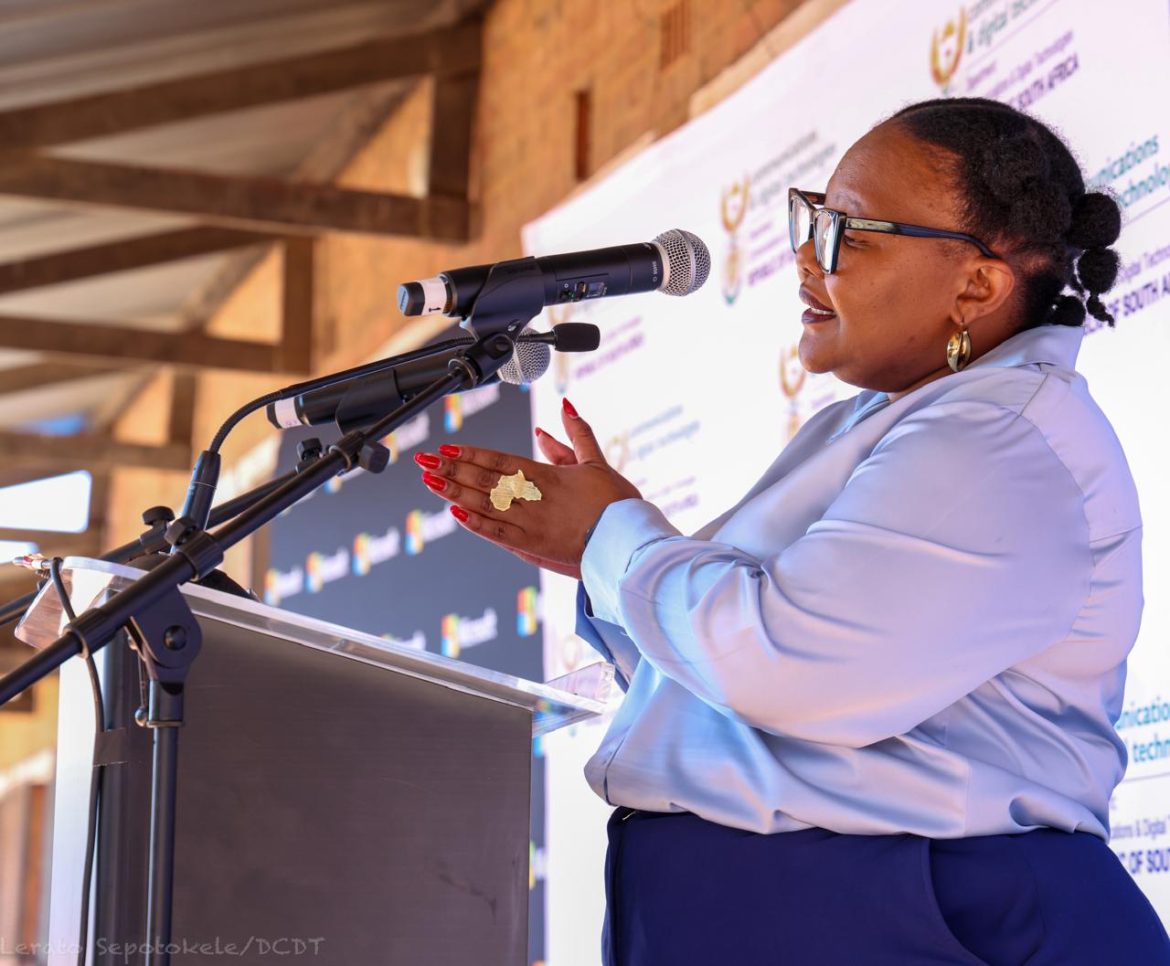
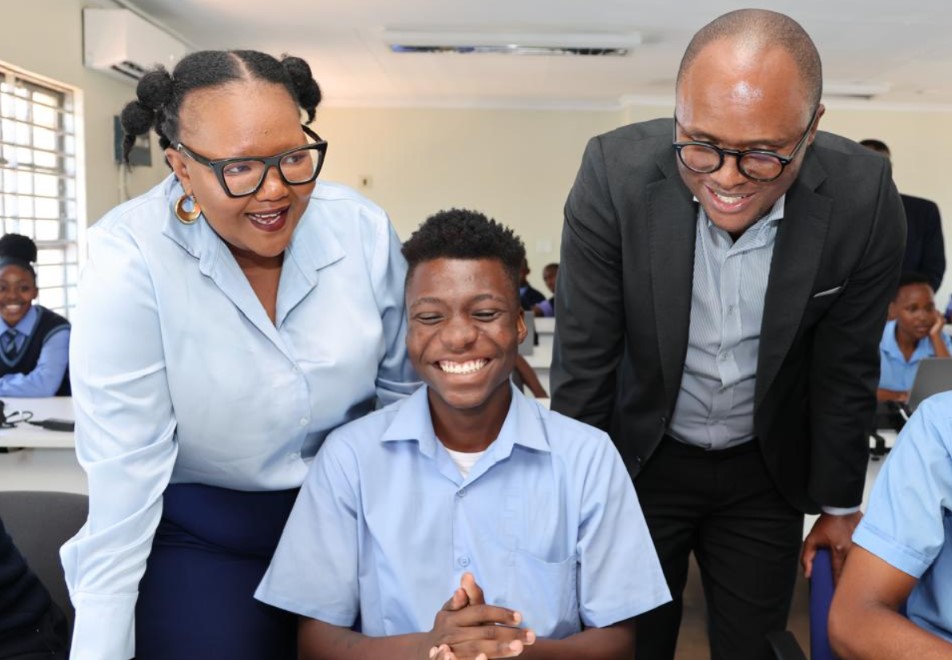
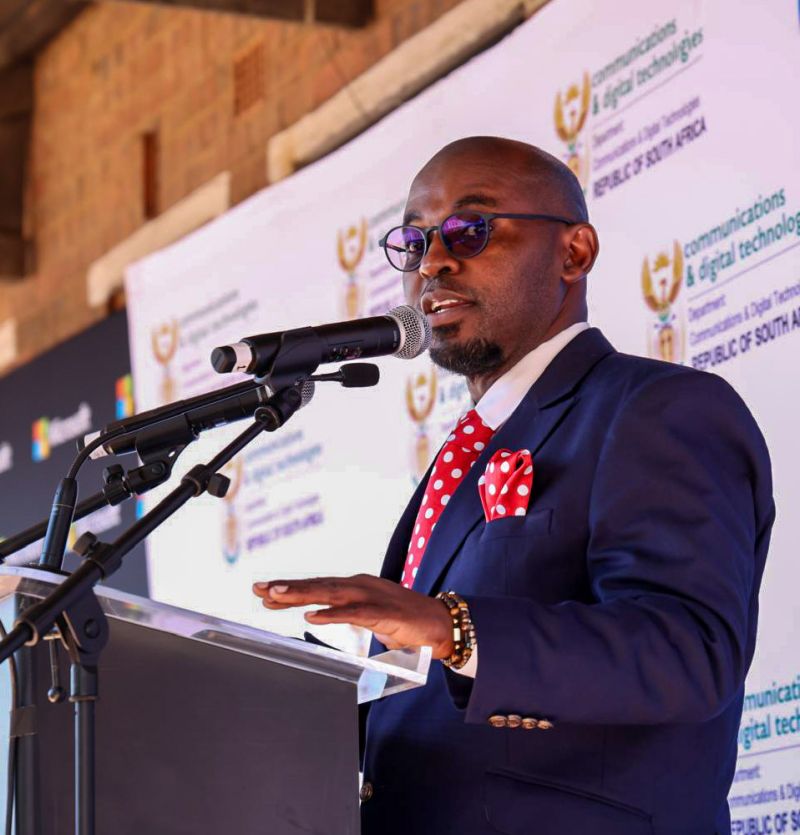
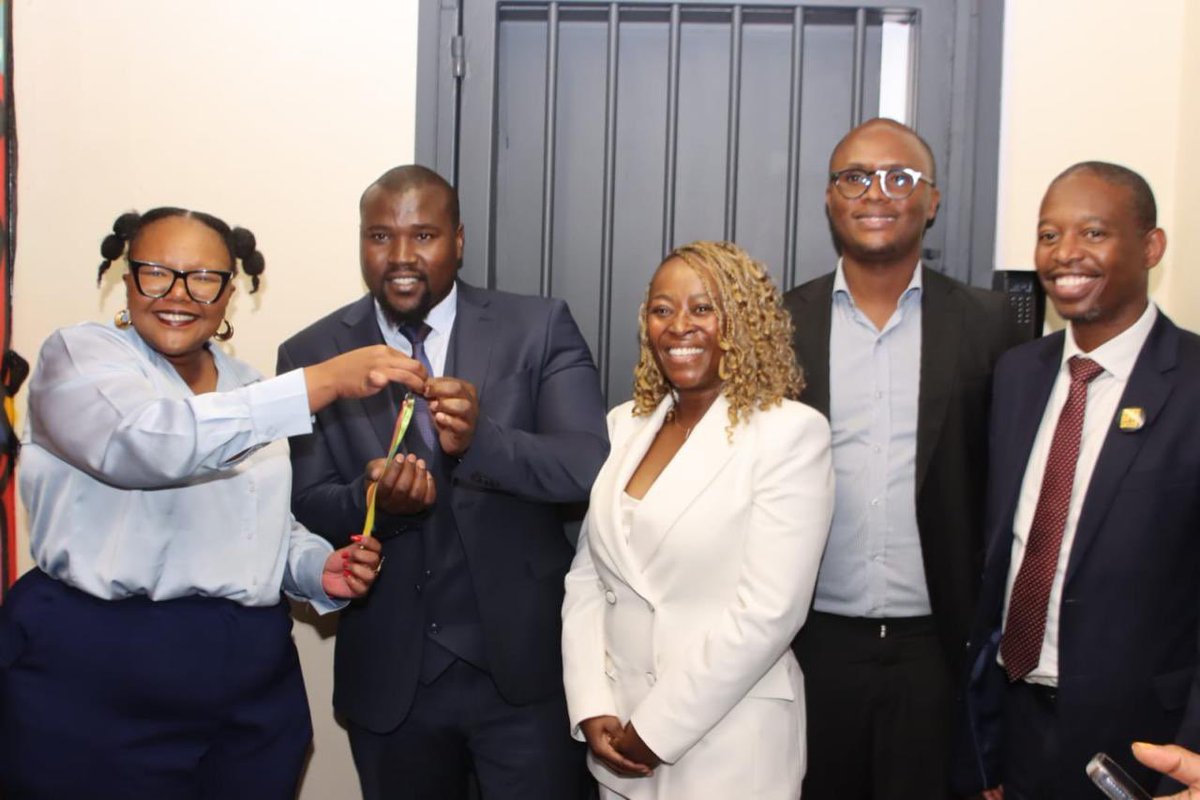
Handover ceremony — Phefeni Senior Secondary School, Soweto. In attendance: Minister Siviwe Gwarube (Basic Education) and Minister Solly Malatsi (Communications & Digital Technologies).
Photography: Lenola Sepotokele / DCDT
Lab 001 was made possible by:
Microsoft SA — Founding technology and funding partner
1ICT — Master implementation partner
February 2026
The delivery lifecycle is identical for every school — assessed, funded, built, connected, secured, handed over, and then sustained by a local black-owned ICT partner. Predictable. Verifiable. Scalable.
For schools with an existing space requiring hardware refresh, connectivity upgrade, security installation, and Microsoft 365 Education deployment.
For schools with no existing lab space — full construction or conversion, fit-out, hardware, connectivity, security, and Microsoft 365 Education.
Covers managed helpdesk, on-site support SLA, hardware maintenance, software updates, and annual educator upskilling — delivered by a local black-owned SME, guaranteed by 1ICT.
Every partnership is structured, reported, and recognised. Select the model that aligns with your company's investment scale, transformation objectives, and ESG reporting requirements.
Founding-level national commitment across the full programme. Named as a Founding National Partner on all programme materials, annual reports, and school infrastructure.
Fund a provincial cluster or national rollout across multiple schools. Named as a Founding National Partner on all programme materials, annual reports, and school infrastructure.
Anchor an entire province or district — funding 3 to 15 schools and becoming the named corporate partner for that region.
Fund the refurbishment or new build of a specific school lab. Your company is permanently associated with that school's digital transformation.
Adopts one lab's running costs — support, licensing, refresh, insurance. R540k per 3-year cycle. Maintained by a local black-owned SME, guaranteed by 1ICT.
Contribute hardware, cloud licences, connectivity, cybersecurity tools, AI platforms, or training resources — structured as a formal technology partnership.
Have an existing CSI programme, transformation budget, or government grant structure? We will design a partnership pathway that fits your internal approval process.
Request a briefing →All partnership pathways include: a signed implementation agreement, delivery SLA, named account manager at 1ICT, and structured impact reporting.
Two ways in
The programme needs two distinct kinds of participation. Choose the route that matches your organisation.
Fund labs through CSI, ESD or B-BBEE budgets. Named school sponsorship, blended-average costing of R1.34m per lab, governance reporting and verified impact.
View funding pathways →Deliver on the ground — installations, cabling, connectivity, training and support in your province. Join the vetted partner network rather than funding a lab.
Apply to the partner network →Every 1ICT implementation is governed by a documented delivery framework — from school assessment to final impact report. Corporate funders receive structured accountability at every stage.
Our governance pack — including the implementation framework, sample SLA, and delivery budget template — is available on request. We welcome structured procurement processes and formal proposal submissions.
1ICT is not a charity. We are a B-BBEE Level 1 South African ICT company with demonstrated delivery capability across enterprise clients, government departments, and now public education. We hold the SLA. We are accountable.
Every rand invested in the 2030 programme creates two distinct transformation impacts — one in the classroom, one in the local economy.
Download structured documentation for internal circulation — built for CSI, procurement, legal, and Exco review.
For companies considering national, provincial or multi-school participation. We come to you.
Ready to fund a specific lab? Scroll down to select your partnership pathway and submit your details.
Get started →Know a school in your area that needs a digital lab? Submit a nomination and our team will assess it.
Companies that choose public recognition appear here once their commitment is confirmed and structured. Each listing is verified before publication.
Companies that formalise their partnership and choose public recognition are listed here once verified by the 1ICT team.
Select a partnership pathway, enter your details, and indicate whether you would like public recognition. Our team will follow up within 48 hours to structure the partnership formally.